

In the growing world of peptides and immune-focused research compounds, Thymosin Alpha-1 (TA1) has become one of the most talked-about molecules. Whether discussed in clinical research, immunology, or biohacking communities, interest in this peptide continues to rise. As a result, searches for “Thymosin Alpha-1 for sale” have increased significantly—but understanding what that actually means is essential before making any purchase decision.
What Is Thymosin Alpha-1?
Thymosin Alpha-1 is a synthetic version of a naturally occurring peptide produced in the thymus gland, an organ responsible for developing and regulating the immune system. Structurally, it consists of 28 amino acids and plays a key role in immune signaling and regulation.
In scientific literature, TA1 is often associated with:
- T-cell activation and differentiation
- Cytokine production and immune signaling
- Modulation of both innate and adaptive immunity
Researchers have long been interested in its ability to enhance immune response while maintaining balance, rather than simply overstimulating the system.
Why Is Thymosin Alpha-1 in Demand?
The rising popularity of Thymosin Alpha-1 is largely tied to its role in immune system research. Unlike compounds that act as direct stimulants, TA1 is often described as an immunomodulator—meaning it helps regulate how the immune system responds.
Studies and experimental models suggest that TA1 may:
- Support immune defense mechanisms
- Enhance response to infections
- Improve cellular communication within the immune system
- Influence inflammatory pathways
Because of these properties, it has been explored in contexts such as chronic infections, immune deficiencies, and even cancer-related immune research.
This broad research relevance is one of the main reasons people begin searching for ways to purchase it.
What “For Sale” Really Means
When you see listings for Thymosin Alpha-1 for sale, it’s important to understand a key distinction:
Most products available online are sold strictly for research purposes.

These products are typically labeled as:
- “Research use only”
- “Not for human consumption”
- “For laboratory use”
For example, many suppliers provide TA1 as a lyophilized (freeze-dried) powder in vials, often in quantities like 5 mg or 10 mg.
This format is designed for stability and long-term storage, requiring reconstitution before use in laboratory settings.
The reason for these disclaimers is regulatory: in many countries, Thymosin Alpha-1 is not approved as a general-use medication, even though it may be used clinically in certain regions under specific brand names and medical supervision.
Pricing and Market Variability
One of the first things people notice when searching for Thymosin Alpha-1 is the wide variation in price. Depending on the supplier, purity, and quantity, prices can range significantly.
For example:
- A 5 mg vial may be priced around $30–$70
- A 10 mg vial may range from $80–$130 or more
Higher prices don’t always guarantee better quality, but extremely low prices can be a red flag. In the peptide market, purity and manufacturing standards matter more than cost alone.
How to Evaluate a Seller
If you’re considering purchasing Thymosin Alpha-1, evaluating the source is critical. Because the market is largely unregulated, quality can vary widely between suppliers.
Here are key factors to look for:
1. Purity and Testing
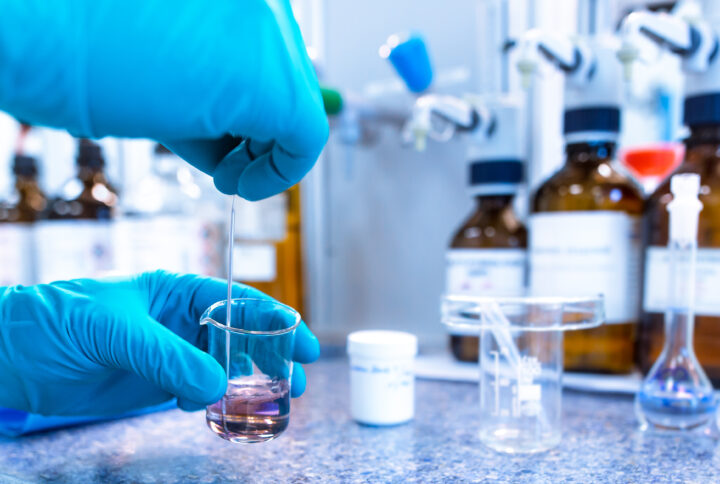
Reputable vendors typically provide third-party lab testing (Certificate of Analysis). Many high-quality products advertise ≥99% purity, verified through HPLC or mass spectrometry.
2. Transparency
Look for clear information about:
- Manufacturing standards (e.g., GMP compliance)
- Storage conditions
- Batch numbers and testing data
Lack of transparency is often a warning sign.
3. Proper Labeling
Legitimate suppliers clearly state that products are for research use only. While this may seem like a limitation, it actually indicates compliance with regulatory guidelines.
4. Storage and Handling Information
Because peptides are sensitive compounds, proper storage is essential. Most TA1 products require:
- Storage at -20°C before reconstitution
- Refrigeration after mixing
Clear instructions suggest a more professional supplier.
Safety and Legal Considerations
Before purchasing Thymosin Alpha-1, it’s important to consider both legal and safety factors.
- In many countries, TA1 is not approved for over-the-counter use
- Importing peptides may be subject to customs regulations
- Misuse or improper handling can carry health risks
Even though TA1 has been studied in clinical settings, self-directed use without medical supervision is not recommended.
Some discussions from online communities highlight mixed personal experiences. For example, one user noted flu-like symptoms after use, while others reported perceived benefits over time—illustrating that responses can vary significantly:
“Felt like I was fighting a bad flu for 2 days…”
These anecdotal reports are not scientific evidence but do reinforce the importance of caution.
The Bigger Picture
The growing interest in Thymosin Alpha-1 reflects a broader trend: people are increasingly exploring advanced peptides for immune and metabolic health. However, accessibility through online markets doesn’t always align with scientific validation or regulatory approval.
Buying Thymosin Alpha-1 is not like purchasing a typical supplement. It exists in a space between:
- Clinical medicine
- Laboratory research
- Experimental biohacking
Understanding that context is crucial.
Final Thoughts
Searching for “Thymosin Alpha-1 for sale” is often the beginning of a deeper exploration into immune system science. While the peptide itself is well-studied in certain medical contexts, the commercial landscape surrounding it is complex and requires careful navigation.
If you’re considering purchasing it, keep these principles in mind:
- Prioritize quality and verified purity
- Understand the legal status in your country
- Recognize that most products are research-grade only
- Approach with caution and informed judgment
Thymosin Alpha-1 is a fascinating compound with significant scientific potential—but like any powerful tool, its value depends entirely on how responsibly it is understood and used.